What “base student cost” means and why it matters for SC students
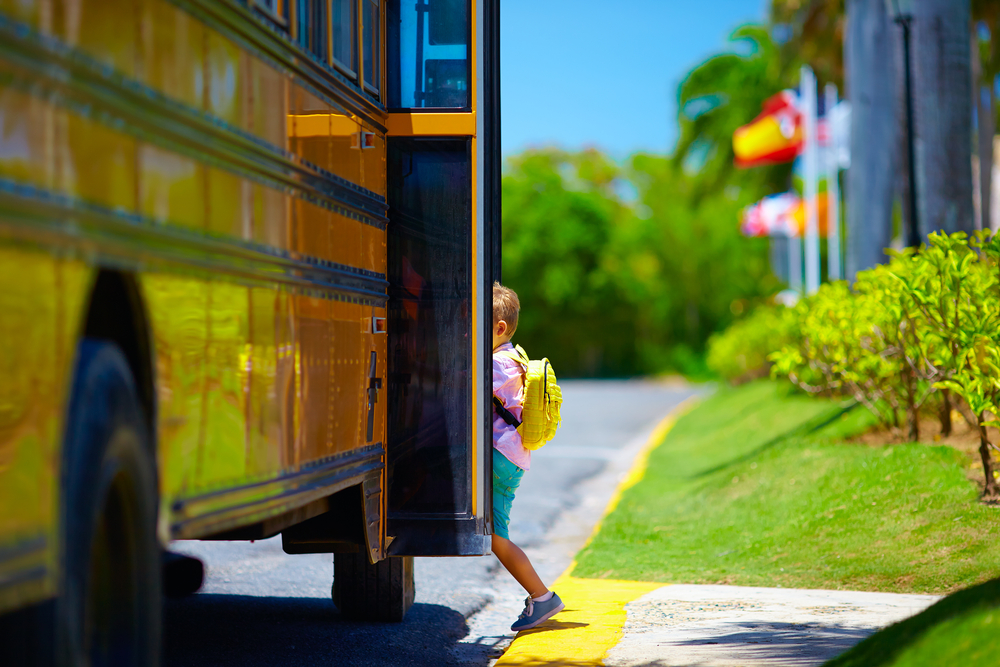
Base Student Cost provided 58% of state aid to school districts. It now provides only about 38% of state funding.
Base Student Cost provided 58% of state aid to school districts. It now provides only about 38% of state funding.

In 1930, Americans spent $2.8 billion on healthcare—$23 per person and only 3.5% of the GDP. We currently spend $3.5 trillion, which comes to over $10,000 per person and 18% of the US GDP.

It all begins when the bill is drafted by Legislative Council at the request of a lawmaker or committee.
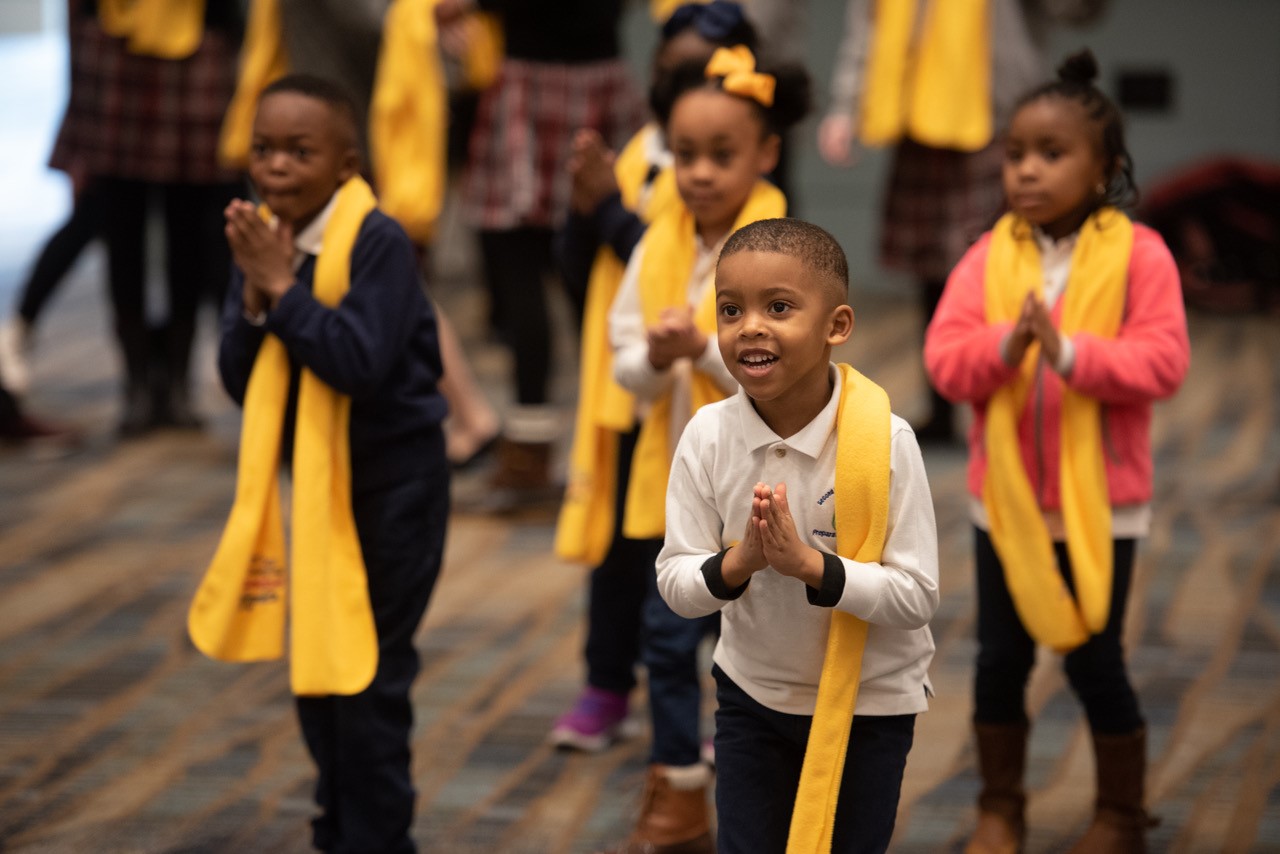
A large body of research conducted over twenty years shows that private edu- cation choice programs have had an overwhelmingly positive impact on private program participants and public schools. According to 100 rigorous academic studies, here are the specific effects of private school choice.
SC must focus on preparing its students for the 21st century.
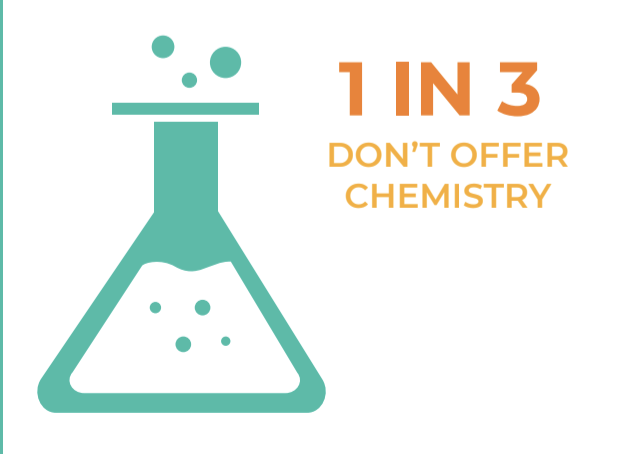
This bill (H.3972) creates a statewide, comprehensive, dynamic online course catalog from which all South Carolina students can choose.
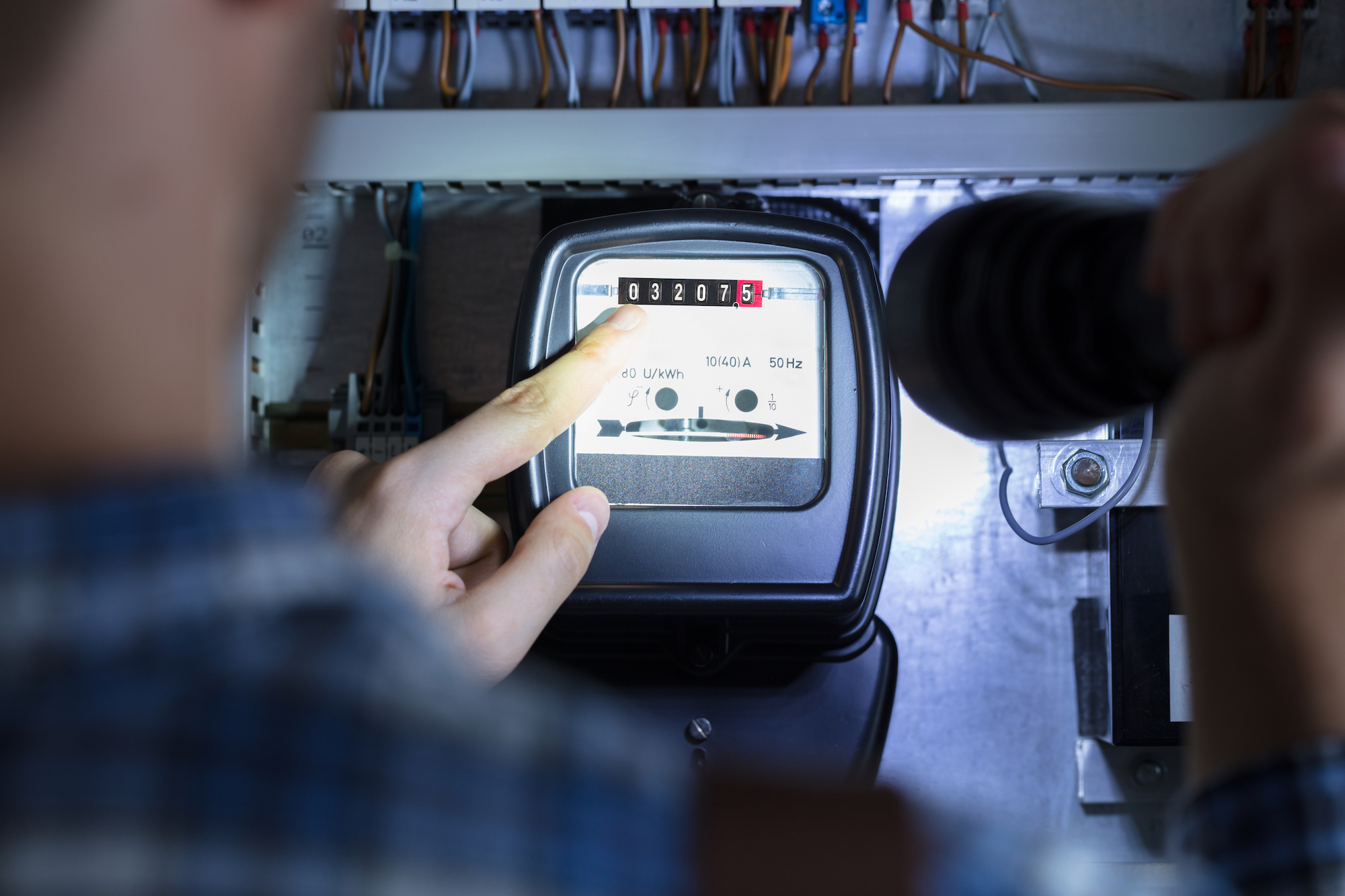
Here’s a principled, practical and proven plan to make that happen.
Electricity Choice will lower power bills in South Carolina. Here’s a principled, practical and proven plan to make that happen.
Download this report here. During the 2017-2018 legislative session, an old proposal became new again: the idea of merging several of South Carolina’s smaller school districts together with neighboring districts to form larger ones. This short paper seeks to gather facts, statistics, and previous comprehensive studies on the issue to find answers to the question
New economic analysis from Palmetto Promise Institute provides first insight into costs Santee Cooper ratepayers must pay versus SCE&G customers While much of the failed V.C. Summer nuclear debacle’s attention has been focused on SCE&G parent company SCANA and its customers, a newly released economic analysis from the Palmetto Promise Institute finds it is Santee